Products
Dizel
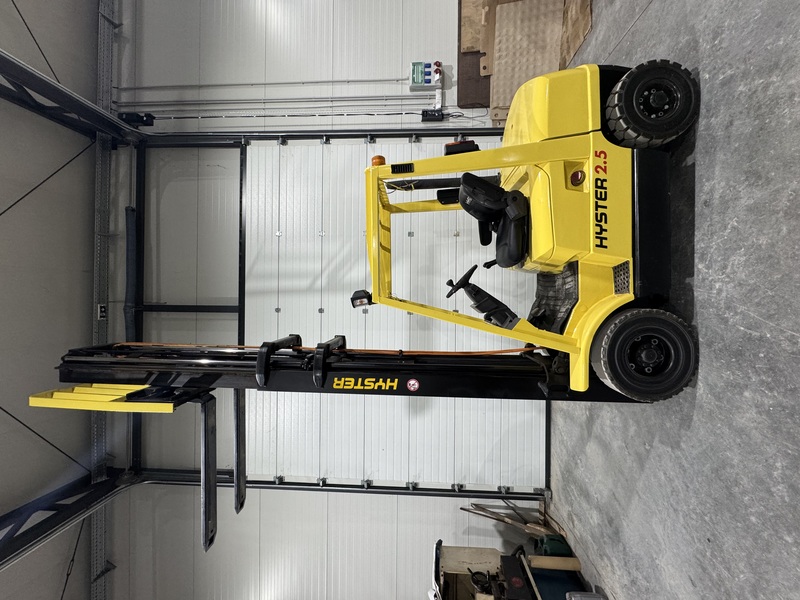
7.490 €
Diesel forklift – Hyster H2.50 XM
Hyster H2.50 XM diesel forklift with a lifting capacity of 2340 kg for handling heavier pallets, loading goods, and daily material handling in outdoor work areas.
Dizel
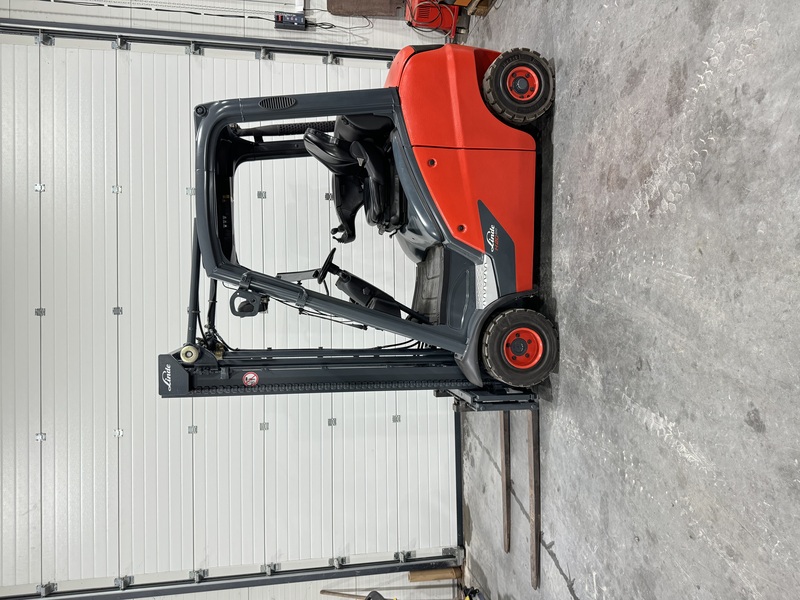
14.990 €
Diesel forklift – Linde H20D EVO
Linde H20D EVO diesel forklift with a lifting capacity of 2000 kg for precise material handling, pallet transport, and daily operation in narrower work areas.
Dizel
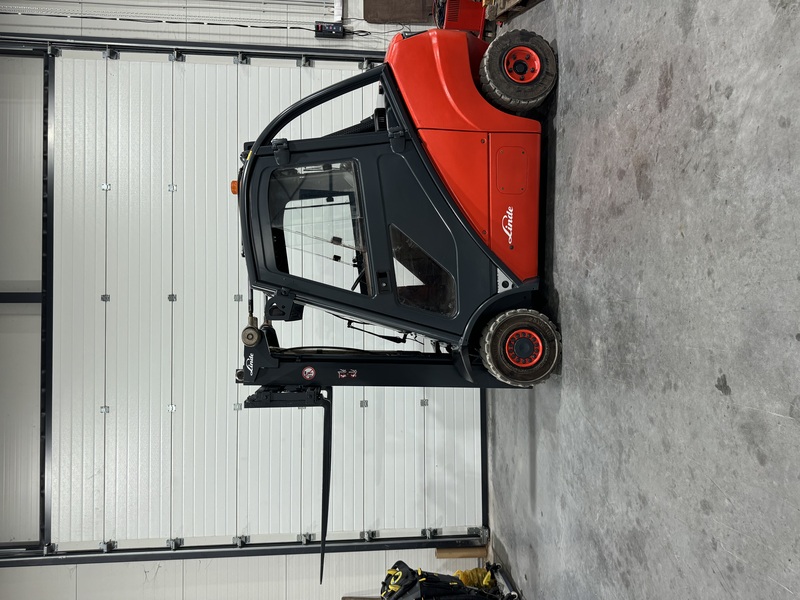
10.490 €
Diesel forklift – Linde H25D
Linde H25D diesel forklift with a lifting capacity of 2500 kg for handling heavier pallets, loading goods, and daily material handling in outdoor work areas.
Dizel
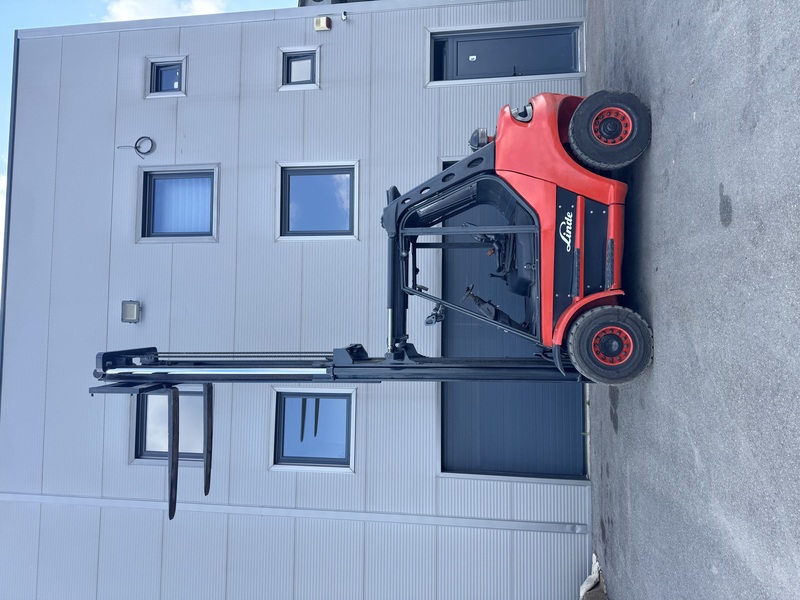
21.990 €
Diesel forklift – Linde H60D
Linde H60D diesel forklift with a lifting capacity of 6000 kg for handling heavy loads, loading goods, and demanding material handling tasks in industrial work areas.
Electric

6.900 €
Electric forklift - BT C3E130R
BT C3E130R electric forklift with a lifting capacity of 1300 kg for warehouse work, operation between storage racks, and easier maneuvering in indoor areas.
Electric
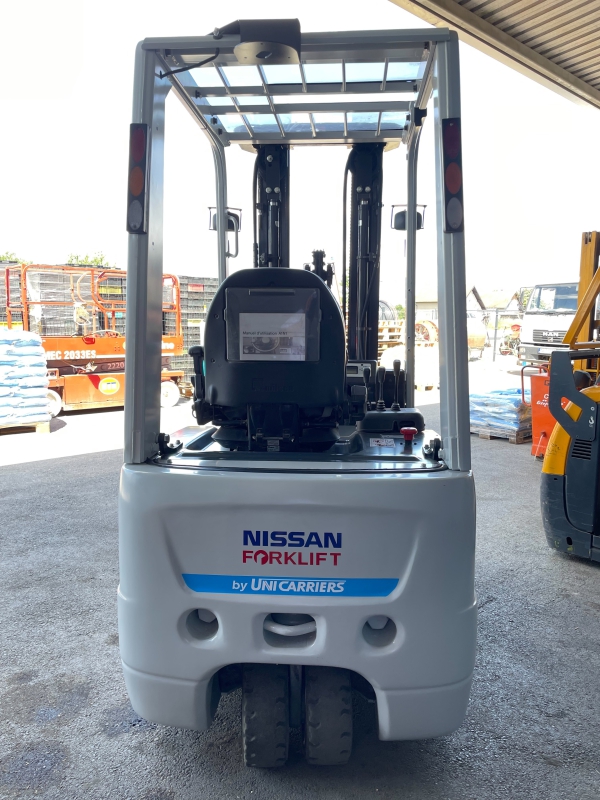
11.290 €
Electric forklift - Nissan A1N1L18Q
Nissan A1N1L18Q electric forklift with a lifting capacity of 1500 kg for warehouse work, easier maneuvering, and indoor operation.
Electric
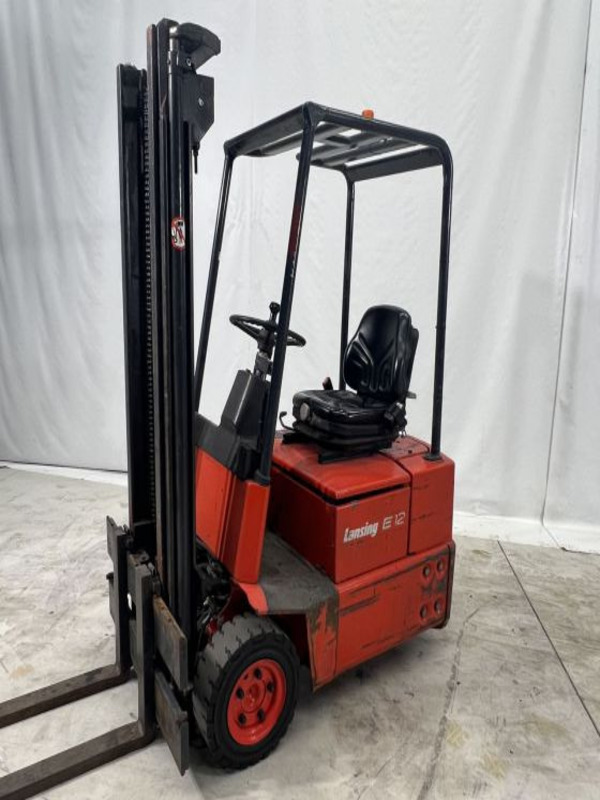
2990 €
Electric forklift – Linde E12
Linde E12 electric forklift with a lifting capacity of 1200 kg for handling lighter pallets and daily transport of goods in warehouses and industrial facilities.
Electric
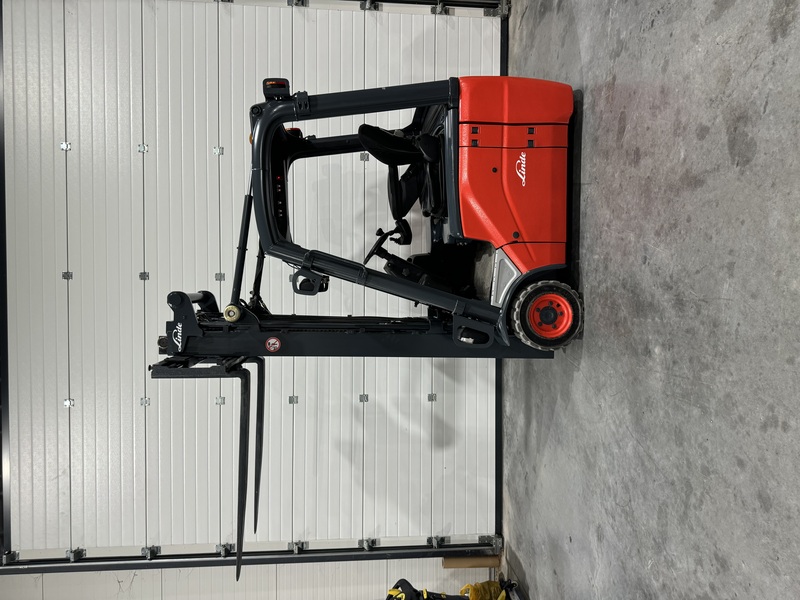
12.490 €
Electric forklift – Linde E14
Linde E14 electric forklift with a lifting capacity of 1400 kg for warehouse work and material handling, offering a higher lifting capacity compared to 1200 kg models.
Electric
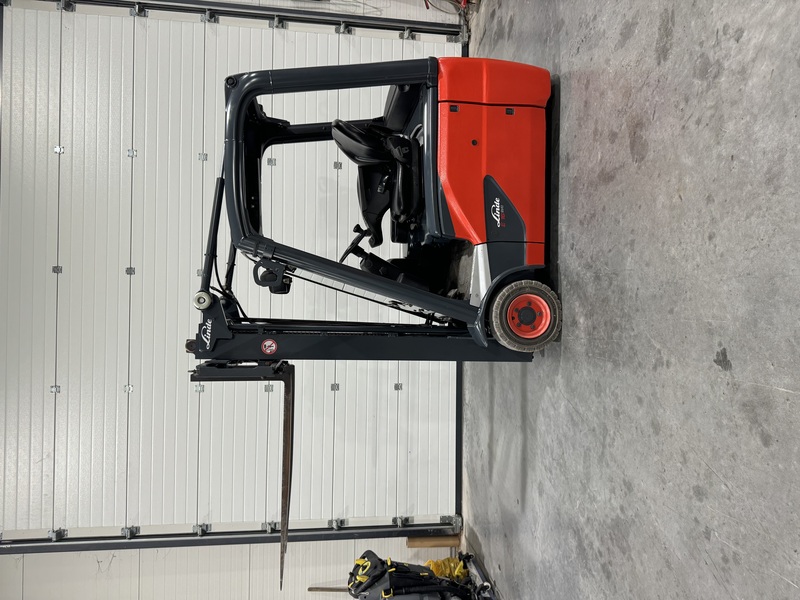
16.990 €
Electric forklift – Linde E16 EVO
Linde E16 EVO electric forklift with a lifting capacity of 1600 kg for handling heavier pallets and larger loads in warehouses and industrial facilities without switching to a diesel model.
Electric
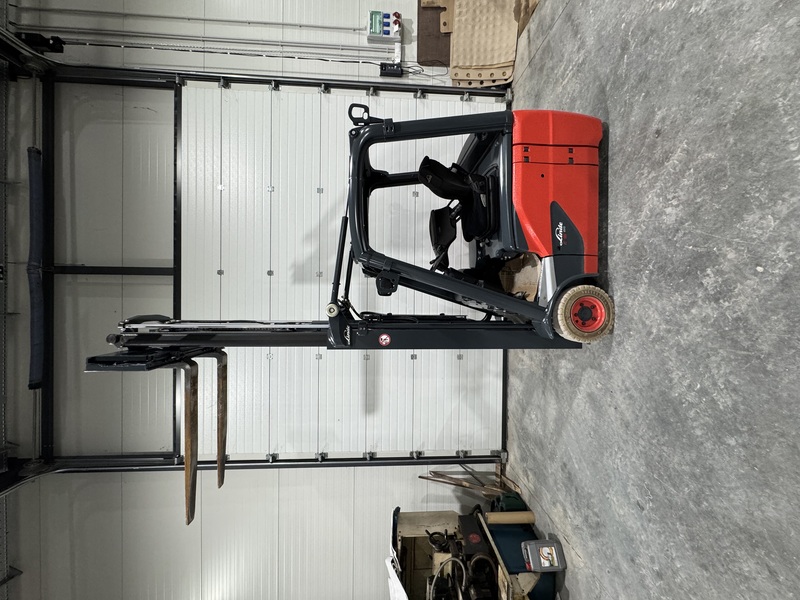
12.990 €
Electric forklift – Linde E16-02-2018
Linde E16-02-2018 electric forklift with a lifting capacity of 1600 kg for stable handling of heavier loads in warehouse environments.
Electric
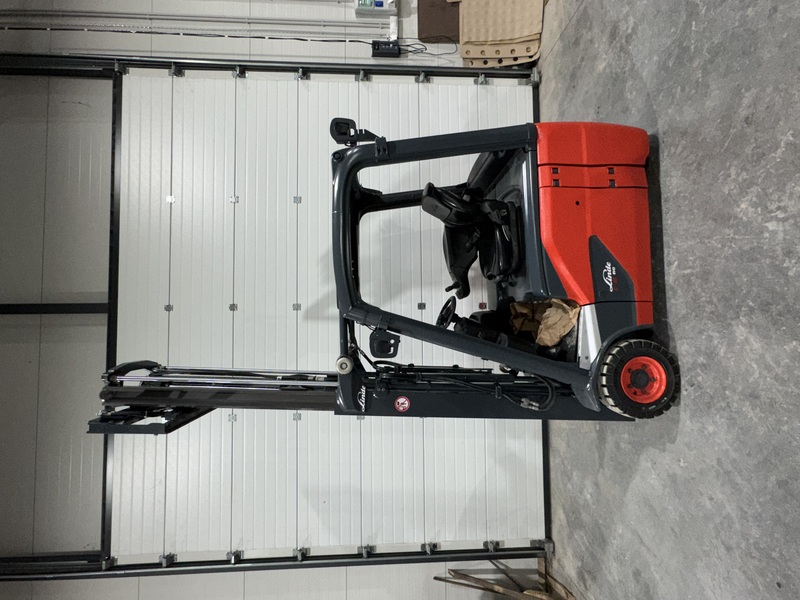
12.990 €
Electric forklift – Linde E16-02-2019
Linde E16-02-2019 electric forklift with a lifting capacity of 1600 kg for stable handling of heavier loads during longer indoor shifts.
Electric
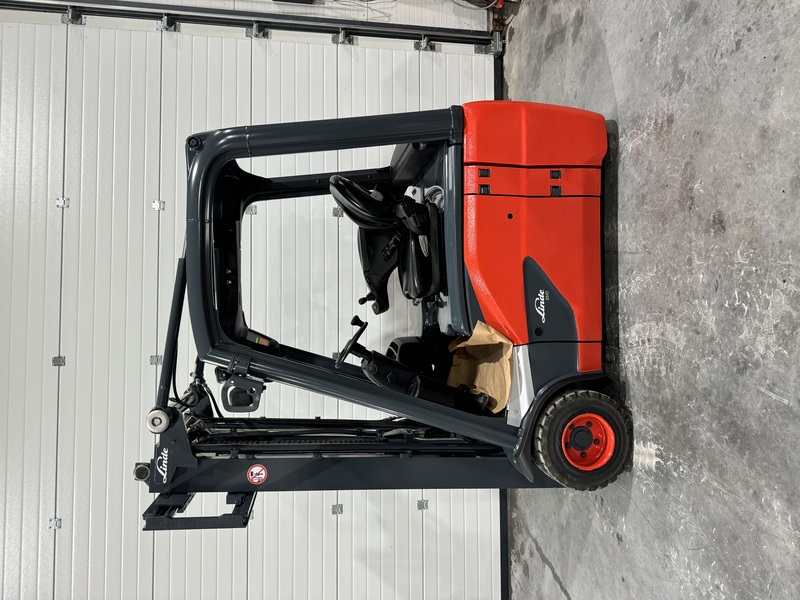
13.490 €
Electric forklift – Linde E18-02 EVO
Linde E18-02 EVO a step above smaller electric forklift models for handling heavier loads during longer work shifts.
Electric
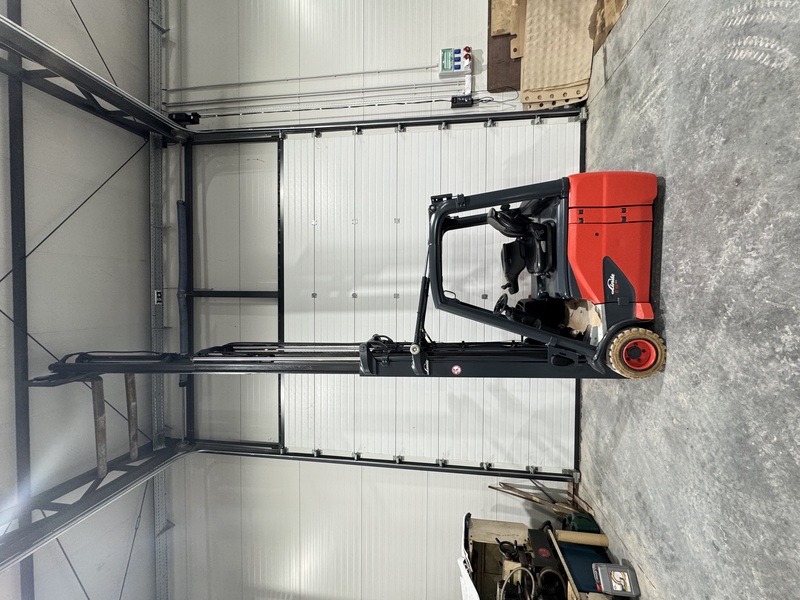
16.990 €
Electric forklift – Linde E18-02-2019
Linde E18-02-2019 1800 kg electric forklift designed for stable handling of heavier loads and reliable operation during longer indoor shifts.
Electric
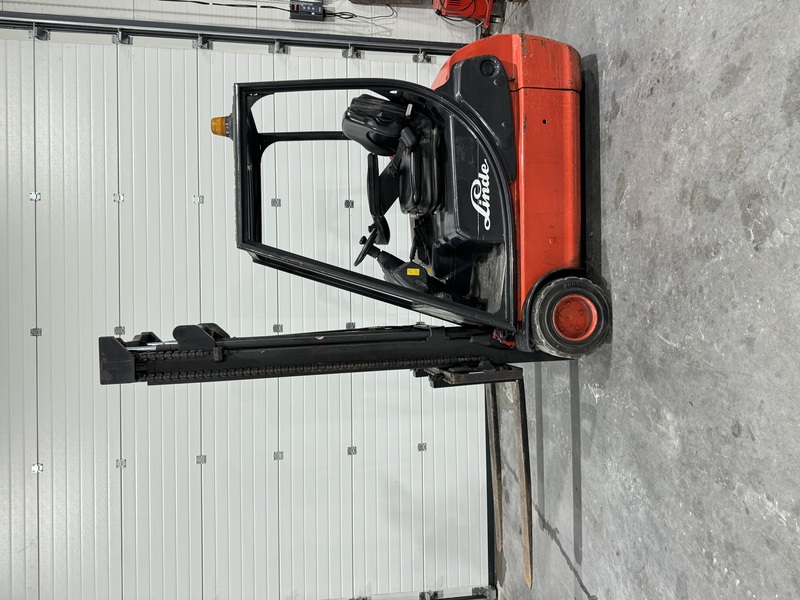
7.490 €
Electric forklift – Linde E18C-02
Linde E18C-02, a more compact 1800 kg E18C model designed for everyday warehouse work.
Electric
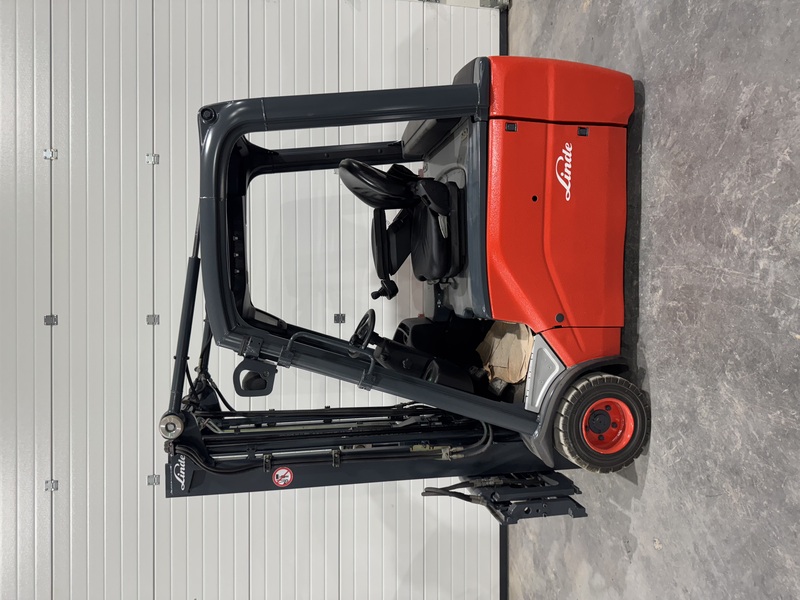
11.990 €
Electric forklift – Linde E18L-2009
Linde E18L-2009 1800 kg E18L model with a larger battery for longer operation without interruptions.
Electric
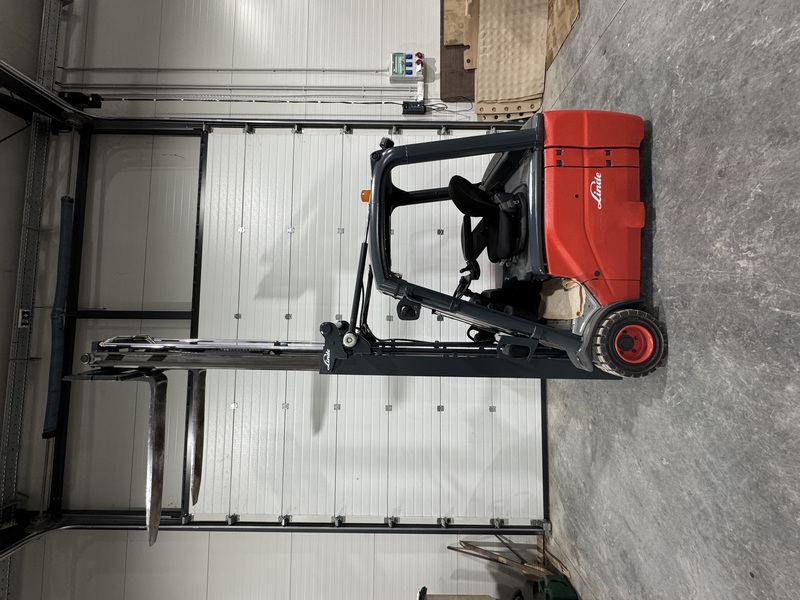
8.990 €
Electric forklift – Linde E18L-2011
Linde E18L-2011 1800 kg electric forklift with a larger battery for longer uninterrupted operation.
Electric
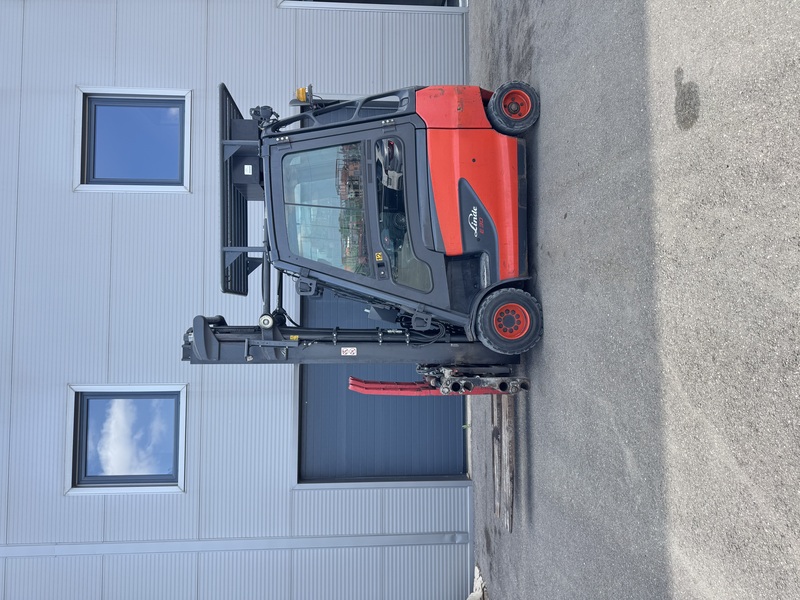
20.990 €
Electric forklift – Linde E30
The Linde E30 model is designed for stable handling under heavier loads and more intensive daily use.
Electric
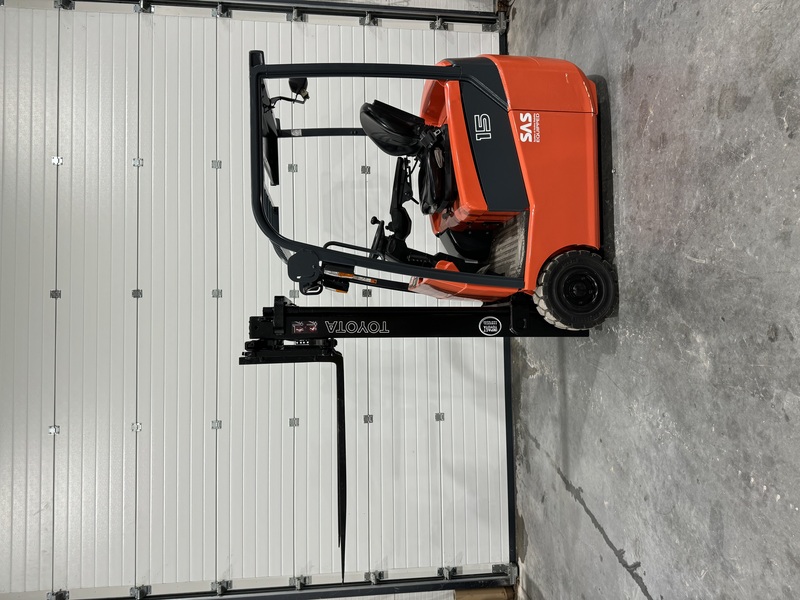
8.990 €
Electric forklift – Toyota 7FBEST15
Toyota 7FBEST15 1500 kg electric forklift with compact dimensions for easier maneuvering. Manufacturer: Toyota Lifting capacity: 1500 kg Operating hours: 9774 h Year of manufacture: 2010
Gas
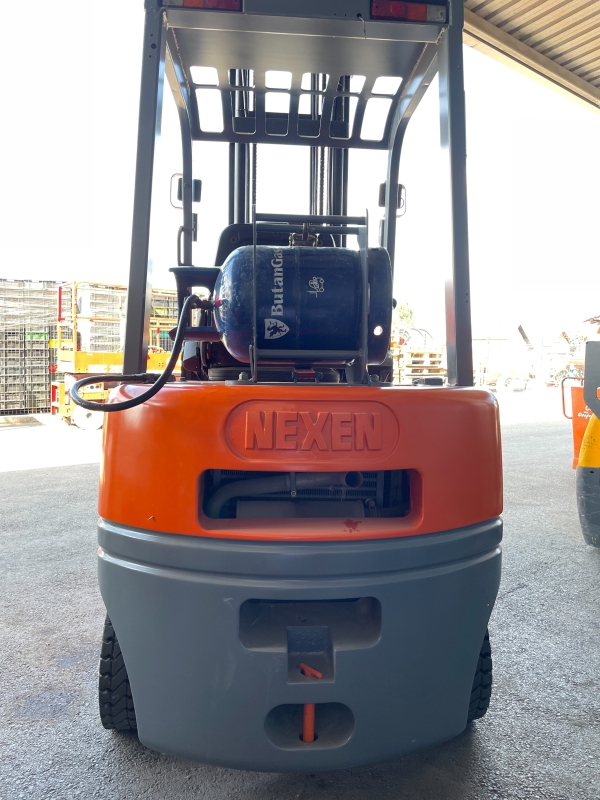
7.490 €
Gas forklift - Nexen FG 15
Nexen FG 15 LPG forklift with a lifting capacity of 1800 kg for loading operations, pallet handling, and daily internal transport in warehouses and material handling areas.
Gas
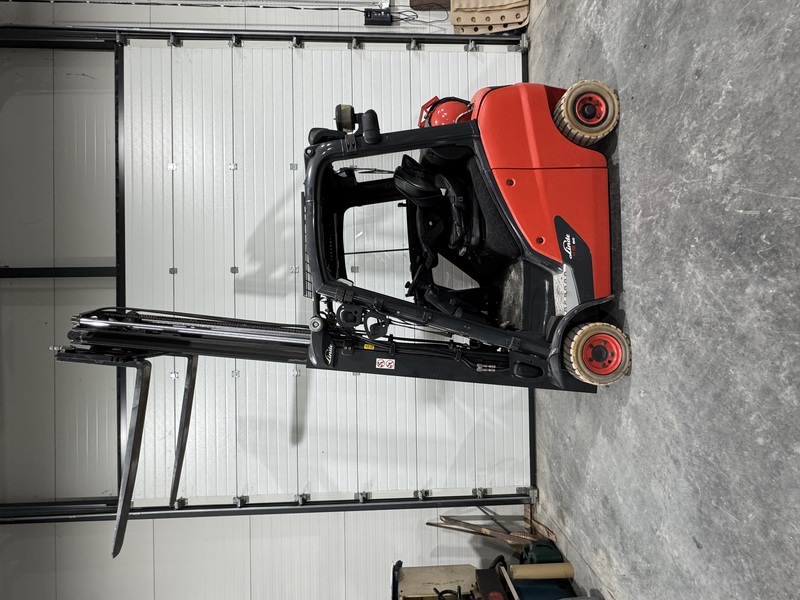
16.990 €